5 Tips for Professional Marketing Materials
Make sure your branded print marketing grows with your company
Print marketing is alive and well and contributes to the bottom line. Developing quality print collateral is one of the best investments you can make in your brand. Your brand needs a great website and also great print marketing that informs your prospects of your strengths. Your brochures and other printed materials speak for your brand. The team over at Entrepreneur.com composed this great list of Top 5 Tips for Professional Marketing Materials.
Every company needs literature - printed pieces that do a careful and well-thought-out job of presenting its products and services - everything from catalogs to newsletters, product sheets, brochures, letterhead, presentation folders, spec sheets, case histories, special event brochures, annual reports, manuals, technical bulletins, posters, product insert sheets, labeling, recruitment materials and more.
With the increased availability of powerful desktop publishing systems and software, many companies decide to meet these needs internally. Resist this impulse. Your homegrown materials will betray their off-the-cuff origin to most of the people who read them.
Appearance is reality in marketing, and you have to look as professional as you are.
Here are some tips for dealing with the literature needs you'll face as your company expands and grows:
- Get a logo and stationery package designed professionally. Do this, and don't change it for at least 10 years. Either hire an advertising agency to create it or a design studio/graphic artist. Don't try this alone, no matter how artistic you consider yourself. A professional artist will make sure your stationery materials reflect your corporate personality, while maintaining a clean and professional look. They will look good in color and in black and white; they'll reproduce well in smaller sizes; they'll fax clearly; and they'll simply be more attractive than what you can expect to do yourself.
- Learn the principles of solid graphic design. Understanding graphic design is a lifetime's work, of course, but some reading and a sensitive eye can teach you a lot. Get some graphic design books at a local bookstore and educate yourself. All your printed materials should follow fundamental design principles:
- Keep the look clean and simple. Don't overload the reader visually. Use a graphic grid to align the different elements in an orderly fashion.
- Use hedlines and subheads to lead the reader. When the reader turns the page, where will he or she look first? Use headers and subheads to provide scanning points to keep the reader moving along.
- Avoid too much type. Pages filled with typography are not appealing to the eye. Break up copy with photos, illustrations, cartoons, charts or other visuals.
- Use white space. Avoid a crowded look, despite the temptation to make use of every inch of space on a page. White space serves as a visual frame for the rest of the content on the page.
- Stay with standard formats unless you have a good reason not to. All of us have grown accustomed to the standard 8-1/2" x 11" format for printed materials. Even our filing systems are made for things that size. If you go with an unusual size, your pieces may not lend themselves to being filed easily for reference.
- Put a caption with each photo. We all want to know what we are looking at. Captions give you the chance not just to identify your product but to remind the reader of the benefit.
- Use charts and graphs rather than tables. A brochure is a visual document. Use graphics to boost visual interest and appeal and make numbers more meaningful.
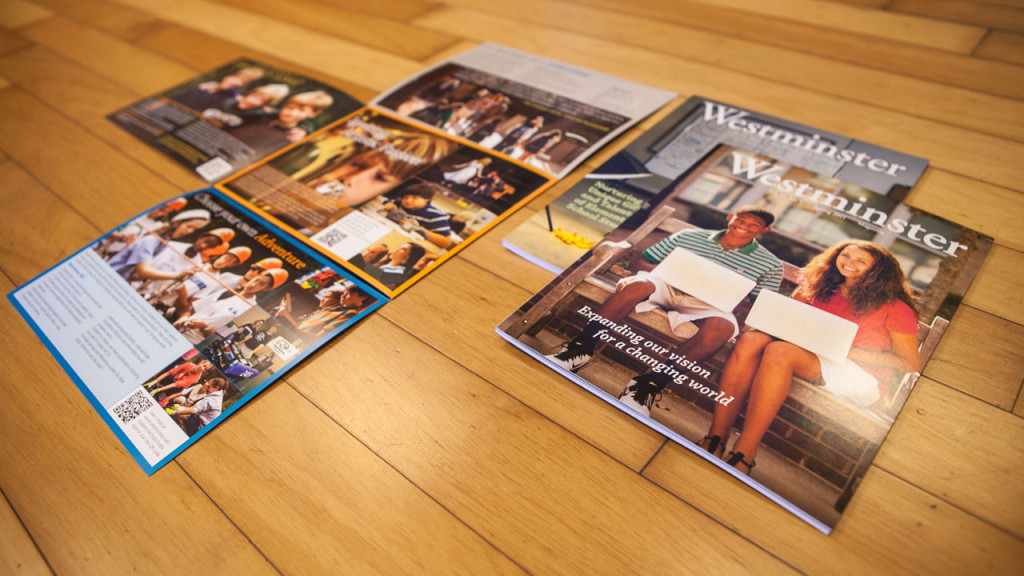
- Be sure your materials have a "family look." Every piece of literature doesn't have to look identical, but they should all look planned as a compatible unit. Imagine your literature laid out in front of you on a conference table. Does it all look like it comes from the same company? It should.
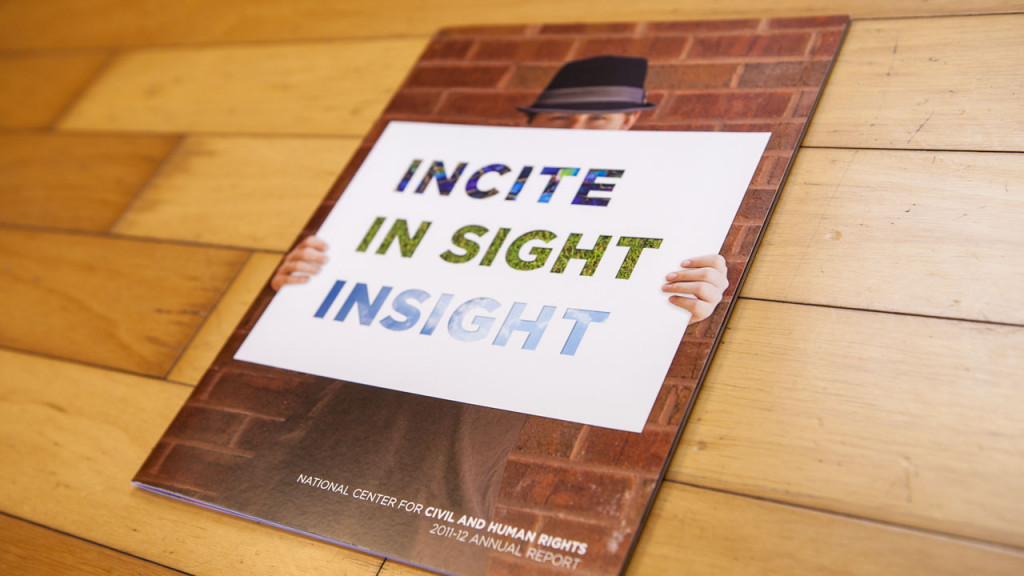
- Invest in good photography. Small companies sometimes scrimp on getting good photos of their equipment, their job sites, their equipment in use or their accessories and supplies. Strong, professionally done photography will set you apart from other small companies. Your customers want to be reassured of the quality of your product. Amateur snapshots give a damaging impression of your professionalism. Good photography is an investment in your future.
- Appoint one person as your literature boss. Your literature needs will be ever-changing, with trade shows, new products and markets and with normal growth. You must have one person responsible for anticipating future needs, handling literature production and maintaining inventory. Untended literature grows increasingly less useful and more frustrating. Every new piece should have a written rationale, audience description and content outline, not unlike the rationale you develop for a piece of advertising copy.
Do you need help with planning, designing, and printing your marketing materials? For over 30 years, our team at Perfect Image has been a trusted resource for nonprofits, educational institutions, and business marketing professionals. We are more than a printer and look forward to helping you develop stellar marketing materials. Get a free marketing materials estimate.